Humidity, Attic Ventilation, and the Musty Closet Problem in Aventura Homes
How your roof and attic affect moisture inside the house, and what actually helps

Open a closet in plenty of Aventura homes and you'll notice it: a faint musty smell, a little dampness on shoe boxes, maybe a white film on a leather belt. Most people blame the closet. Often, the real cause is humidity, and sometimes it starts at the roof.
Here's how moisture gets into closets in South Florida, how your roof and attic play a part, and what you can do about it.
Where the Moisture Comes From
South Florida air carries a lot of water for most of the year. Closets are enclosed, dark, and rarely opened for long, which makes them the first place that moisture settles. Closets on exterior walls or under a hot attic are usually the worst.
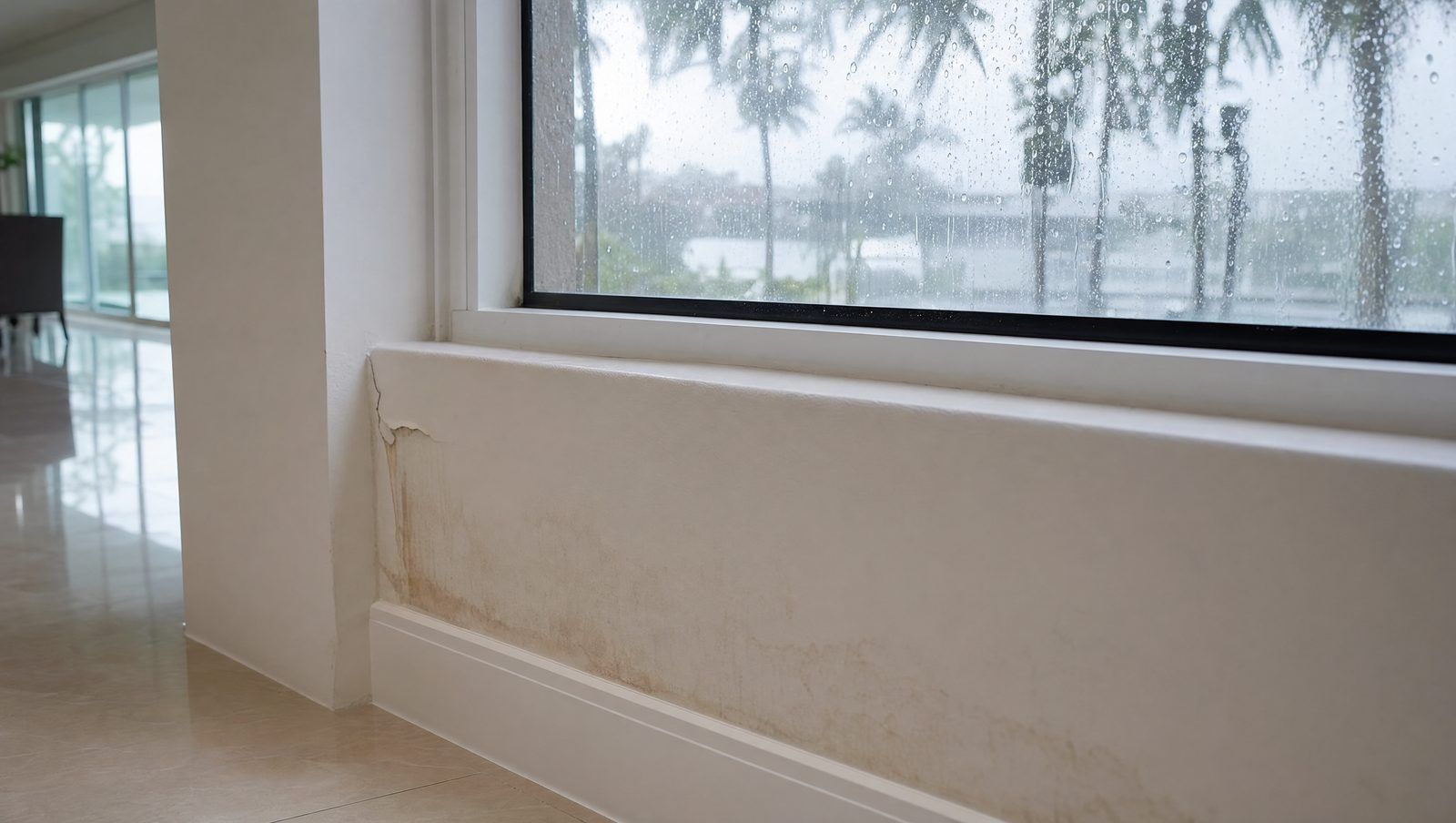
Small roof issues make it worse. A slow leak around a vent pipe or a cracked tile can let a little water into the attic every time it rains. You may never see a stain on the ceiling, but that moisture raises the humidity in the rooms and closets below.
Condensation is another culprit. When cool, air-conditioned rooms sit right below a very hot attic, moisture can form on ductwork and the back side of the ceiling, especially if attic insulation is thin or has gaps.
How Attic Ventilation Affects the Rooms Below
Your attic is supposed to breathe. Air comes in at the soffits and leaves near the ridge, carrying heat and moisture out with it. When soffit vents get painted over, blocked by insulation, or clogged with debris, that airflow stops and the attic turns into a hot, damp box.
A roofer can check whether your intake and exhaust ventilation are balanced and working. If you're replacing your roof, it's the ideal time to correct ventilation problems, since everything is accessible.
Closet Design Makes a Difference
Once the roof and attic are in good shape, how the closet itself is built matters. Solid, floor-to-ceiling shelving packed tight with clothes traps moist air. Ventilated shelving, a little space between hangers, and doors that let air move all help.
It's interesting to compare how closet designers work in very different climates. In the dry Arizona desert, closet systems in Queen Creek and similar communities are built to keep out dust and sun, often with closed cabinets and solid doors. In Aventura, you usually want the opposite: more airflow, materials that won't swell or mildew, and room for a small dehumidifier.
Simple Fixes That Help Right Away
Keep your AC running consistently rather than shutting it off for long stretches, since it's also your home's main dehumidifier. Put a compact dehumidifier or moisture absorbers in problem closets, and empty them regularly. Leave closet doors open for a few hours each week.
If you notice closets getting worse in summer, check that your AC's thermostat fan setting is on auto rather than on. Running the fan constantly can blow moisture from the coil back into the house instead of letting it drain away.
Store leather, photos, and important papers in breathable containers off the floor, and avoid plastic dry-cleaning bags for long-term storage. Cedar blocks help with odor but don't solve moisture on their own.
When to Call a Roofer
If a musty smell keeps coming back, especially in a closet near an exterior wall or under the attic, it's worth having the roof and attic checked. Look for signs like stained ceiling corners, peeling paint near the top of walls, or a closet that smells worse after heavy rain.
Our team can inspect your Aventura roof and attic ventilation and let you know whether the roof is part of the problem.